
2027: Jandor pledges better welfare for Lagos residents if elected governor
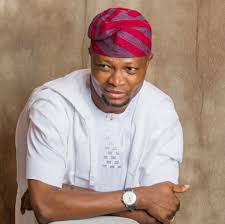
A governorship aspirant of the All Progressives Congress, APC, in Lagos State and Lead Visioner of the Lagos4Lagos Movement, Olajide Adediran, widely known as Jandor, has pledged to place the welfare of residents at the centre of governance if elected governor in 2027.
Adediran made the commitment on Saturday while addressing journalists on the sidelines of the 8th Annual Ramadan Lecture held in Ikeja.
According to him, the primary duty of any government is to enhance the quality of life of its citizens, promising that if given the opportunity to lead the state, his administration would implement policies aimed at improving living standards across Lagos.
He stressed that government should focus on creating a conducive environment that encourages economic growth rather than directly engaging in business activities.
Jandor added that tackling the current economic challenges facing residents would require targeted investments in key sectors such as infrastructure, education, healthcare and other essential services.
The APC chieftain also spoke about the endurance of members of the Lagos4Lagos Movement, noting that the group has remained cohesive for close to a decade despite setbacks experienced after the 2023 general elections.
“We didn’t just start today. After the 2023 elections, many expected that I would tell our supporters to disperse because of what happened, but we see that experience as a test of faith. I never asked anyone to go home, and we continue to hold our meetings at Liberty House,” he said.
He further pointed out that no individual from the Badagry Division has ever governed Lagos State, expressing hope that the aspiration of people from the area could eventually become a reality.
At the event, the guest lecturer, Abdulhakeem Muhammadu Awwal, who delivered a presentation titled ‘Economic Empowerment and Poverty Alleviation. The Islamic Perspective’, called for a more organised system for managing Zakat.
He urged authorities to establish committees made up of technocrats to oversee the proper and transparent distribution of Zakat funds.
According to him, such a structure would ensure that the funds are effectively channelled into areas such as entrepreneurship, education, healthcare and support for vulnerable members of society.