
Lagos demolitions: Falana seeks immediate halt, cites court orders
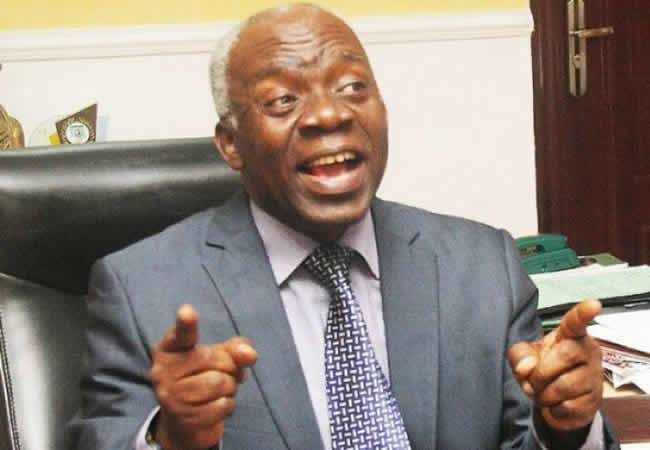
Human rights lawyer, Femi Falana, SAN, has urged the Lagos State Government to immediately suspend what he described as unlawful and unconstitutional demolitions of waterfront properties across the state, warning that the actions amount to executive overreach and contempt of court.
Falana made the call in a statement, referencing a series of existing court orders restraining the government from forcibly evicting residents or demolishing structures in waterfront communities such as Makoko, Oko-Agbon, Sogunro, and Iwaya.
He highlighted that on June 22, 2017, a Lagos High Court, presided over by Justice Adeniyi Onigbanjo (now retired), ruled that previous government-initiated evictions were illegal, rendering over 30,000 residents homeless.
The court found the actions violated the fundamental rights of the affected individuals and awarded N3.5 million in reparations.
Falana noted that the court also ordered a halt to future evictions, a ruling that could safeguard the homes of approximately 270,000 residents from being demolished under the pretext of urban renewal. Also, the court directed the state government to engage affected communities in consultations regarding resettlement, in line with its urban development policies.
In response, the Lagos State Government defended its actions, describing the demolitions in Makoko and other waterfront settlements as necessary measures to protect lives, ensure environmental safety, and promote sustainable urban development.
A statement signed by the Commissioner for Information and Strategy, Gbenga Omotoso, following a government-resident engagement in Lagos, explained that the interventions aimed to prevent disasters, enhance safety, and position Lagos as a resilient and sustainable megacity.
Addressing criticisms that the exercise was anti-poor, Omotoso said the actions were primarily guided by safety, environmental protection, and security concerns, especially for structures built beneath high-tension power lines or obstructing critical waterways.
“No responsible government can permit habitation under power cables or blockages along waterways,” he added.