
Lagos boosts biogas production to cut reliance on imported fuel
The Lagos State Government has unveiled plans to commence commercial production of biogas and biomethane as part of measures to reduce dependence on imported fuel and promote a cleaner environment across the state.
To drive the initiative, the government has constituted a Technical Committee comprising representatives from various Ministries, Departments and Agencies, MDAs.
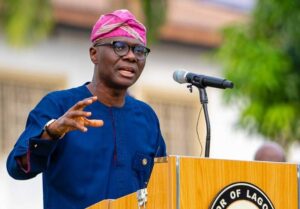
The Commissioner for Transportation, Mr Oluwaseun Osiyemi, disclosed this during the 2026 Ministerial Press Briefing held at the Bagauda Kaltho Press Centre, Secretariat, Alausa, as part of activities marking the seventh anniversary of the administration of Governor Babajide Olusola Sanwo-Olu.
Speaking during the briefing, Osiyemi said findings from a feasibility study showed that biogas and bio-methane remain viable alternatives to diesel.
He explained that Lagos generates about 13,000 metric tonnes of waste daily, out of which 45 per cent is organic waste that can be converted into bio-methane fuel locally at a cheaper cost.
“Feasibility study confirmed that biogas and bio-methane are good alternatives to diesel. He explained that Lagos generates about 13,000 metric tonnes of waste daily, with 45 per cent being organic waste that can be used to produce bio-methane fuel locally at a lower cost,” Osiyemi said.
According to him, the newly inaugurated Technical Committee will coordinate efforts towards achieving full commercial production of the alternative fuel.
The Commissioner noted that the state government has continued to introduce different programmes targeted at reducing carbon emissions and improving environmental sustainability.
He listed some of the initiatives to include the conversion of 152 First and Last Mile buses from petrol to Compressed Natural Gas, CNG, development of a seven-line electric rail network, as well as the gradual replacement of diesel with cleaner energy sources such as electricity, CNG and biogas in public transportation operations.
Osiyemi revealed that CNG buses introduced by the state since 2022 have transported more than 600,000 passengers while cutting fuel costs by 50 per cent.
He further stated that two electric buses deployed on Bus Rapid Transit, BRT, corridors completed a 90-day pilot phase during which they conveyed over 150,000 passengers and reduced approximately 200,000 kilograms of carbon emissions.
The Commissioner also disclosed that the Lagos State Government, through the Office of the Senior Special Assistant on Transportation and Logistics, in partnership with the United Bank for Africa, introduced 2,000 CNG-powered trucks under Governor Sanwo-Olu’s haulage reform initiative.
According to him, the programme is designed to phase out old and unsafe trucks blamed for several road accidents while encouraging cleaner and safer haulage operations across Lagos.
Osiyemi also highlighted the Sustainability Conference organised by the Lagos Metropolitan Area Transport Authority, themed: “Harnessing Clean Urban Transport Innovation and Investment in Africa”.
He said the conference brought together African cities, development partners and transport stakeholders to discuss cleaner and more sustainable transportation systems across the continent.
The Commissioner explained that the conference was organised to strengthen Lagos’ position as a leading African city in sustainable urban transportation.
He added that initiatives such as the E1 Sport Series and EcoMove Lagos were introduced to encourage innovation in water transportation and support cleaner and smarter mobility within the state.
Osiyemi further disclosed that more electric and CNG-powered vehicles are now being registered by operators in the e-hailing sector, indicating growing acceptance of cleaner transportation alternatives in Lagos.
“All these efforts align with the THEMES Plus Agenda of the State Government, which focuses on eco-friendly transportation, reduced emissions, better traffic management, and improved integration of road, rail, air, and water transport systems to support economic growth,” Osiyemi added.