
Jonathan: Dishonest Politicians Have Turned Nigeria into Laughing Stock
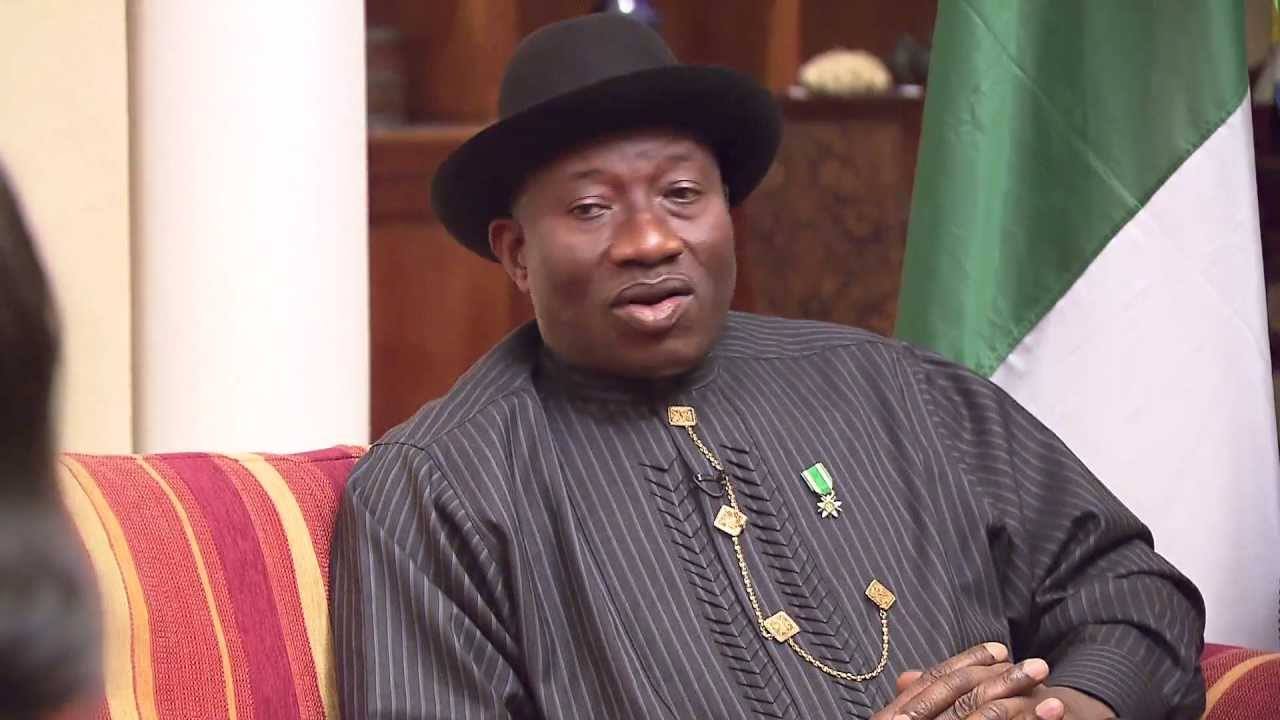
Former President Goodluck Jonathan has criticised Nigerian politicians, blaming dishonest leadership and broken promises for the country’s declining reputation in the international community.
Jonathan said Nigeria had become a laughing stock because politicians frequently made promises to the electorate but failed to fulfil them after assuming office.
He spoke on Saturday in Abuja while delivering the keynote address at the third edition of the Paul Alaje Colloquium, themed “The Brand Nigeria”.
The former President called for reforms in the country’s electoral and political systems, insisting that leadership selection should be based on competence, character and integrity rather than money, patronage and ethnic interests.
“Nigeria is a laughing stock because of dishonest leaders. We must reform our electoral credibility and a political culture that is more inclusive, rewards ideas, character and competence rather than money, patronage and sectional interests,” he said.
Jonathan lamented that Nigeria, which once commanded considerable respect and influence internationally, had suffered a decline in its global image.
He identified corruption, insecurity, unemployment, economic difficulties and weak public institutions as some of the factors damaging the country’s reputation.
He also called for stronger internal democracy in political parties and credible elections, stressing that the country needed leaders committed to national development rather than personal interests.
The former President urged politicians to invest in the younger generation and prioritise education, healthcare, agriculture, manufacturing, technology and infrastructure.
He maintained that Nigeria had the human resources and potential to regain its position internationally but needed responsible leadership and effective institutions to achieve meaningful progress.
Jonathan also warned that the country could not restore its reputation through slogans and publicity campaigns without addressing the problems affecting its governance and development.