

Alausa flags off new hostel projects in LASU, YABATECH
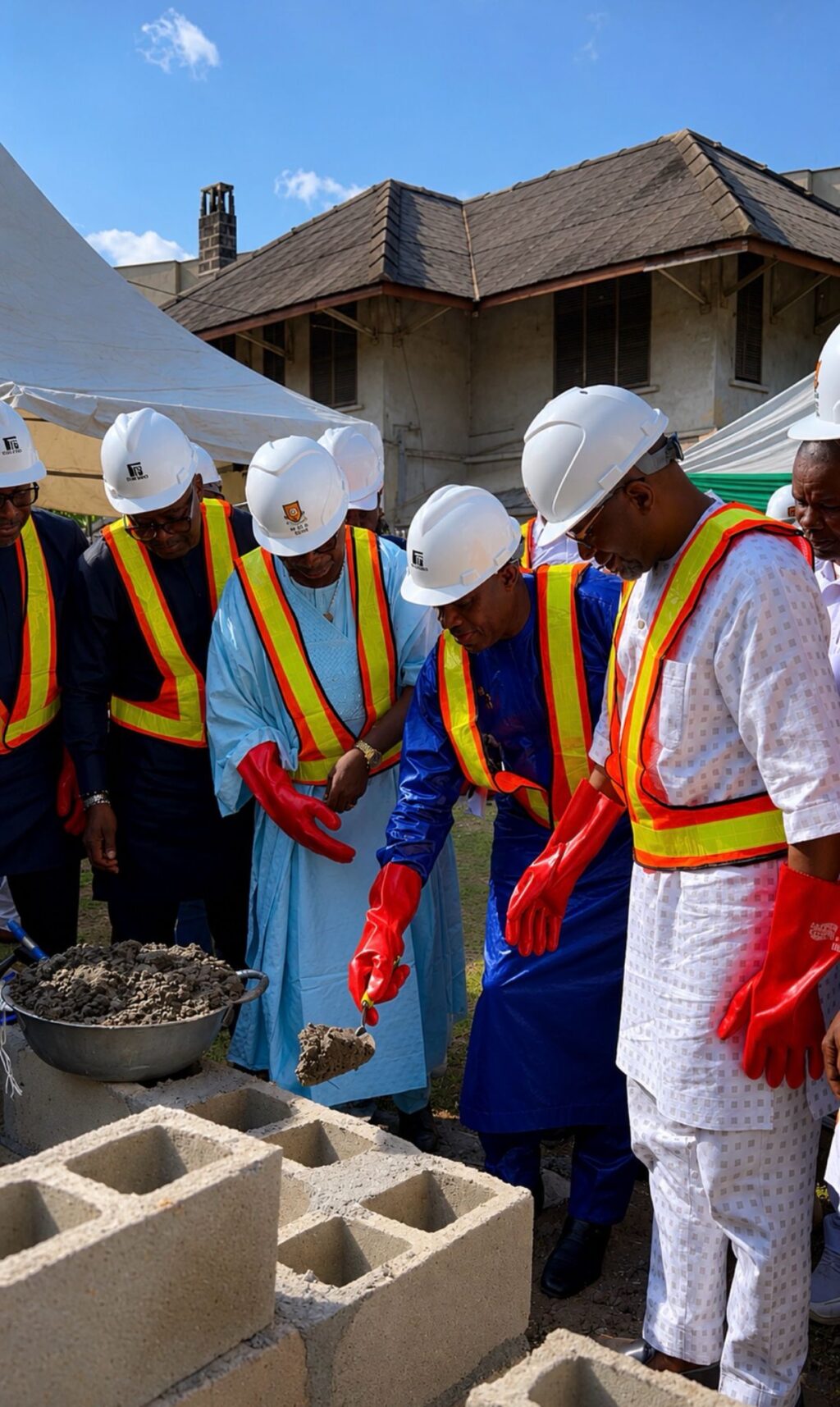
Minister of Education, Tunji Alausa, on Wednesday flagged off hostel development projects at Lagos State University and Yaba College of Technology as part of efforts to address accommodation shortages in tertiary institutions.
The groundbreaking ceremonies were held at both campuses in Lagos and involved university administrators, project financiers, contractors and government officials.
At LASU, the project is expected to provide additional accommodation for students amid growing concerns over inadequate hostel facilities.
At YABATECH, officials launched a 1,500-bed hostel project being developed through a Public-Private Partnership arrangement involving Intergrated Project Ltd.
Speaking during the ceremonies, Alausa said improved accommodation and stable infrastructure were necessary for effective learning in tertiary institutions.
“Education infrastructure must evolve beyond classrooms alone,” the minister said. “A conducive learning environment includes safe accommodation, stable electricity, and an ecosystem that allows students to thrive academically and socially.”
He added that the projects were strategic investments aimed at improving student welfare and strengthening the country’s education system.
The minister also said plans were underway to provide dedicated power substations for the facilities to ensure stable electricity supply after completion.
Alausa further stressed the need for stability in the education sector, noting that uninterrupted academic calendars remained important for students and institutions.
“Our objective is stability. Students deserve uninterrupted academic calendars, institutions deserve operational certainty, and Nigeria deserves an education sector capable of competing globally,” he said.
Officials of LASU said the hostel project would help reduce pressure on existing facilities, which currently accommodate only a fraction of the university’s student population.
Stakeholders at the event said the projects reflected increasing reliance on Public-Private Partnership models to address infrastructure deficits in Nigeria’s tertiary education sector.
Speaking on the projects, Olayinka Kusemiju, Director at Intergrated Project Ltd, described student housing as a critical part of educational development.
“Education infrastructure is not simply about buildings; it is about dignity, opportunity, and the environment we create for future generations to thrive,” Kusemiju said.
He added that the projects were intended to provide students with safer and more conducive living spaces.
“For us at Intergrated Project Ltd, this is bigger than bricks and concrete. It is about contributing meaningfully to the future of Nigerian education and ensuring students have access to safe, modern, and conducive living spaces,” he said.
Kusemiju also emphasised the importance of collaboration between government institutions and private investors in addressing infrastructure challenges in the education sector.
“When visionary leadership, institutional support, and private-sector expertise align, transformational projects become possible,” he said.
The projects also received support from financial and legal institutions involved in the arrangements, including Keystone Bank and Kerdos Capital.
Education sector observers say inadequate hostel facilities, rising rental costs and poor living conditions remain major challenges facing students in many Nigerian universities and polytechnics.