
Obasa Says Tinubu, Lagos Government Taking Hunger, Malnutrition Seriously
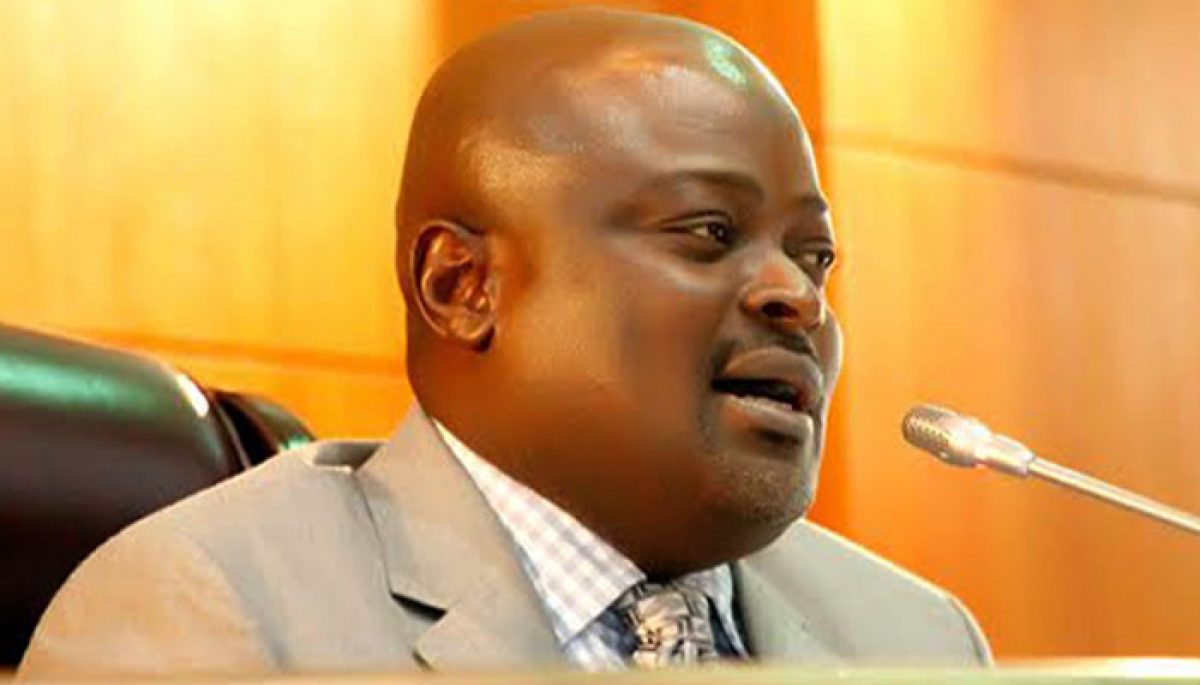
The Speaker of the Lagos State House of Assembly, Mudashiru Obasa, has said the Federal Government and Lagos State Government are taking the challenges of hunger and malnutrition seriously.
Obasa stated this while addressing participants at the Third Global Parliamentary Summit on Hunger and Malnutrition held at the Parliament of Kenya in Nairobi.
He urged lawmakers across the world to translate commitments to tackling hunger and malnutrition into concrete legislation, budgetary provisions and effective oversight.
“We are not treating the issues of hunger and malnutrition in Lagos or Nigeria with levity,” he said.
The Speaker said the administration of President Bola Tinubu had approved the National Nutrition Bill 2026 and the revised National Policy on Food and Nutrition as part of efforts to strengthen the country’s response to malnutrition.
He explained that the measures were expected to improve coordination, provide sustainable funding for nutrition programmes and ensure effective implementation of food-related interventions.
On Lagos State’s efforts, Obasa said the government was pursuing a five-point strategy focused on technology, collaboration with other states, investment in farmers, reduction of post-harvest losses and improved access to affordable and nutritious food.
He cited the Imota Rice Mill in Ikorodu and the ₦500 billion Offtake Guarantee Fund under the Produce for Lagos initiative as some of the interventions aimed at strengthening food production and supply.
Obasa also disclosed that food hub facilities had been completed and commissioned in Mushin, Abijo and Agege, while construction of a 500-hectare central food logistics hub in Epe was about 70 per cent complete.
On legislative measures, he recalled that the Lagos Assembly passed the Anti-Open Grazing of Livestock Law in September 2021 to regulate the movement and grazing of cattle in public places and unauthorised areas.
He added that the Assembly had allocated more than ₦80 billion to agriculture and food systems across recent budget cycles.
Obasa further revealed that the Assembly was working on a Food Hub Bill to regulate market operations, improve food safety and strengthen coordination across the agricultural value chain.
He assured that the legislature would continue to increase funding for food systems, strengthen oversight and promote climate-smart agriculture.
The two-day summit, held from November 16 to 17, was organised by the Parliament of Kenya, the Food and Agriculture Organisation of the United Nations and the Spanish Agency for International Development Cooperation.
It brought together more than 200 parliamentarians from over 60 countries to discuss strategies for building resilient food systems and ending hunger.