
Presidency Accuses Atiku of Playing Politics With Fuel Price Debate
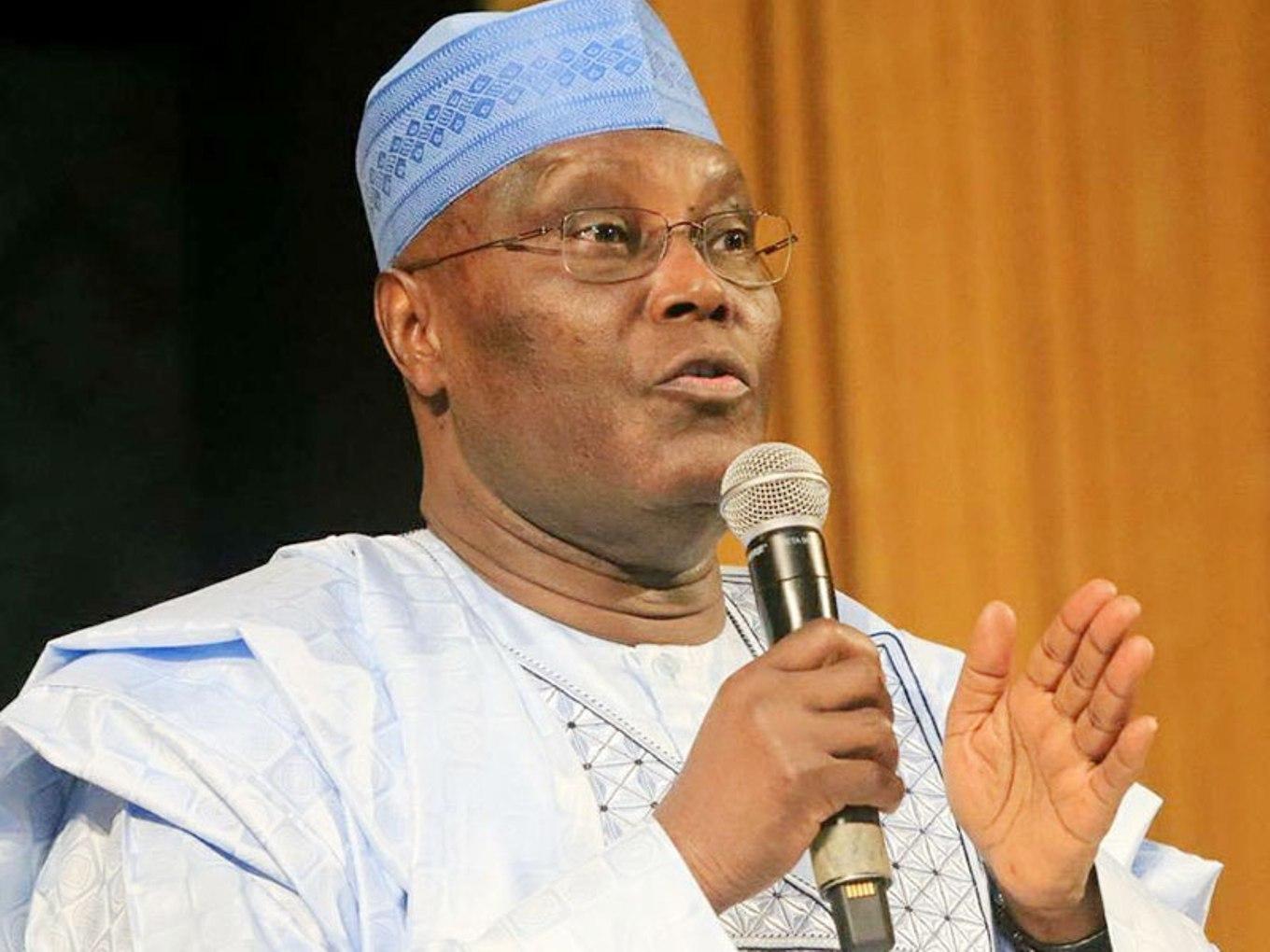
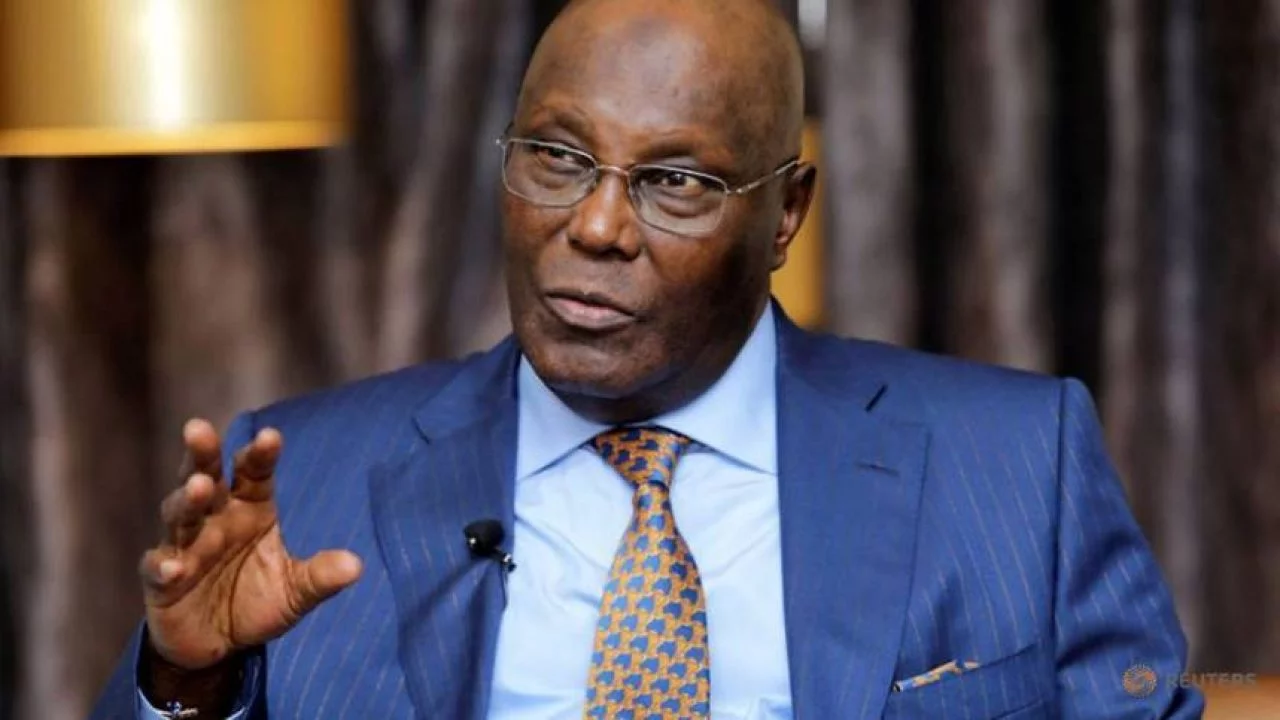
The Presidency has criticised former Vice President Atiku Abubakar over his comments on the Federal Government’s petrol discount policy, accusing him of exploiting Nigerians’ economic hardship for political gain ahead of the 2027 general election.
Atiku, the presidential candidate of the African Democratic Congress (ADC), had questioned the government’s decision to introduce a 30-day petrol discount through the Nigerian National Petroleum Company Limited (NNPCL).
In a statement issued by the President’s Special Adviser on Media and Public Communication, Sunday Dare, the Presidency described Atiku’s criticism as political rhetoric that failed to address the complexities of Nigeria’s energy market.
It argued that the administration of President Bola Tinubu was pursuing long-term economic reforms rather than relying on measures it considered financially unsustainable.
“The Nigerian electorate is far too sophisticated to trade long-term national economic security for Atiku’s shallow, short-term demagoguery,” the statement said.
The Presidency maintained that the petrol discount was a temporary market intervention intended to cushion the effects of rising global crude oil prices, rather than a return to the former fuel subsidy regime.
According to the statement, NNPCL’s decision to sell petrol at landing cost for 30 days was designed to moderate short-term price increases without creating additional government subsidy obligations.
It also defended the proposed N1,350-per-litre ceiling on ex-gantry costs, describing the arrangement as a mechanism to reduce sudden price fluctuations and their impact on transportation fares.
The Presidency rejected Atiku’s proposal for a targeted production subsidy on locally refined petroleum products, arguing that Nigeria did not have sufficient unencumbered crude oil volumes to sustain such an arrangement without affecting government revenue and existing supply contracts.
It cited crude oil production costs, contractual obligations and the country’s limited share of available crude as factors that could complicate the implementation of the proposal.
The statement also defended the government’s broader economic policies, including the removal of petrol subsidies, foreign exchange reforms, the expansion of compressed natural gas infrastructure and efforts to support domestic refining.
It said the reforms were intended to improve government revenue, reduce fuel scarcity, strengthen energy security and create room for investment in infrastructure and social services.
The Presidency further argued that the previous subsidy system had placed considerable pressure on public finances and encouraged fraud and fuel smuggling.
It maintained that restoring a broad subsidy arrangement could recreate some of the fiscal challenges the country faced before Tinubu assumed office in May 2023.
The statement also questioned Atiku’s comparison of the administration’s policies with his own economic proposals, insisting that Nigeria’s energy challenges required measures that accounted for international crude oil prices, domestic production capacity and contractual obligations.
The exchange comes as political parties and their prospective candidates begin positioning themselves ahead of the 2027 presidential election, with fuel prices and the cost of living expected to remain major issues in the debate over the economy.