
Atiku questions Tinubu’s borrowing despite rising crude oil prices
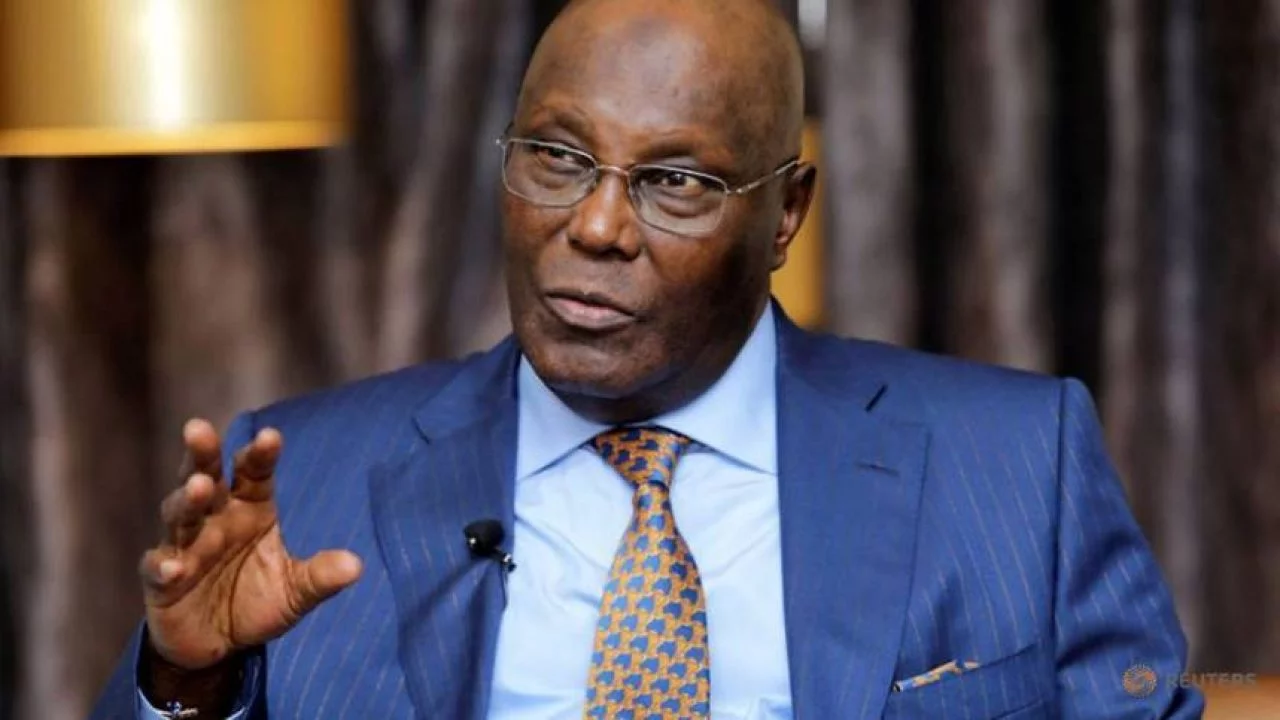
Former Vice President Atiku Abubakar has questioned the continued borrowing by the President Bola Tinubu-led Federal Government despite rising crude oil prices and increased revenue from the oil sector.
Atiku, the presidential candidate of the African Democratic Congress (ADC), raised the concern in a statement issued by his Senior Special Assistant on Public Communication, Phrank Shaibu.
He said the Federal Government had raised about N5 trillion from the domestic bond market in the first half of 2026, which he described as almost 80 per cent of the amount borrowed during the same period in 2025.
Atiku argued that the borrowing was difficult to justify at a time when crude oil prices had remained significantly above the benchmark contained in the 2026 budget.
The 2026 Appropriation Act pegged crude oil at $64.84 per barrel, while Brent crude averaged about $92 per barrel between March 1 and July 14, according to Atiku.
He estimated that the difference between the budget benchmark and prevailing oil prices translated into about $42.7 million in additional revenue daily, based on average production of 1.5 million barrels per day.
Atiku said the additional earnings amounted to about $5.76 billion, or N7.98 trillion, over the 135-day period under review.
He questioned why the government was increasing its borrowing despite the alleged oil windfall and demanded greater transparency in the management of excess crude revenues.
“Nigerians deserve a full accounting of this windfall. Where has the money gone? Why is there no transparent disclosure of the proceeds from excess crude sales?” he asked.
Atiku also criticised the government over the continued economic hardship faced by Nigerians, arguing that increased oil earnings and the removal of fuel subsidy had not translated into improved living conditions for citizens.
He pledged that an ADC government would account for revenues earned above the budget oil benchmark and use excess earnings to reduce public debt, strengthen fiscal reserves and fund infrastructure, healthcare, education and agriculture.