
Sanwo-Olu declares state of emergency over Lagos waste crisis
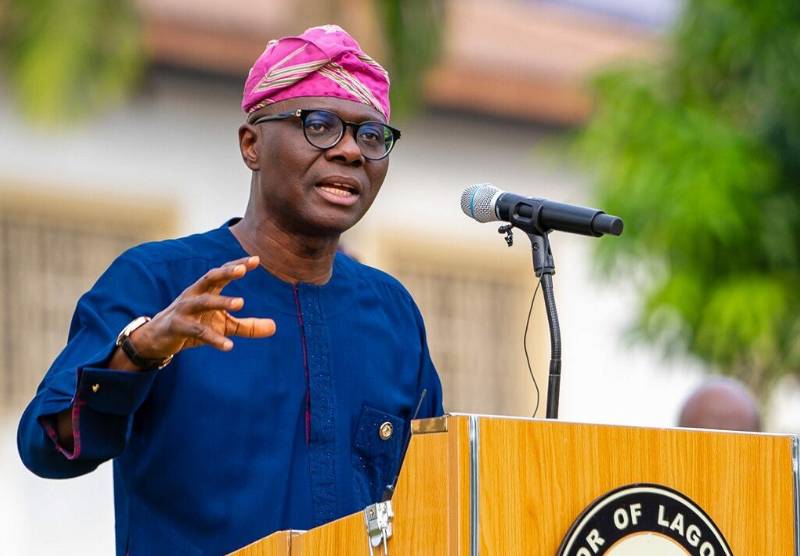
Lagos State Governor Babajide Sanwo-Olu has declared a “small state of emergency” on waste management following growing pressure on refuse collection and disposal across the state.
Sanwo-Olu made the declaration on Wednesday during an inspection of the Olusosun dumpsite in Ojota, where waste trucks have faced delays in disposing of refuse.
The governor said the state was currently receiving between 250 and 350 waste trucks daily at Olusosun but planned to increase the capacity to between 350 and 450 trucks.
He said the number of tipping points at the dumpsite would be increased from two or three to four or five to reduce the time trucks spend at the facility.
Sanwo-Olu also announced that the state government had ordered 160 new compactor trucks to improve waste collection, while additional trucks would be procured by private sector operators.
The governor said the government was working to make more disposal sites operational, including Solu 3 in Alimosho, Iwulepe in Ikorodu, Oke-Osho in Epe and Erikitte in Badagry.
According to him, the additional sites would reduce the pressure on Olusosun and shorten the turnaround time for waste trucks, which could currently spend several hours at the dumpsite before discharging.
Sanwo-Olu also announced plans to review the operations of Private Sector Participation operators handling waste collection in Lagos. He said the state would assess their capacity and identify operators that were no longer able to provide effective services.
He said the state had about 800 registered PSP operators, but only about 400 were considered effective.
The governor also appealed to residents to pay for waste collection services, saying operators needed regular payments to sustain their operations.
He further said the Lagos Waste Management Authority would be restructured to strengthen its field operations and improve its response to waste management challenges.
For the longer term, Sanwo-Olu said two 2,400-metric-tonne transfer loading stations were being developed at Olusosun and Solu 3, while material recovery facilities were planned for Oke-Osho and Erikitte.
He said the facilities were expected to begin taking shape before the end of the year, with operations projected between the first and second quarters of 2027.